khobaib

why silk sarees are costly

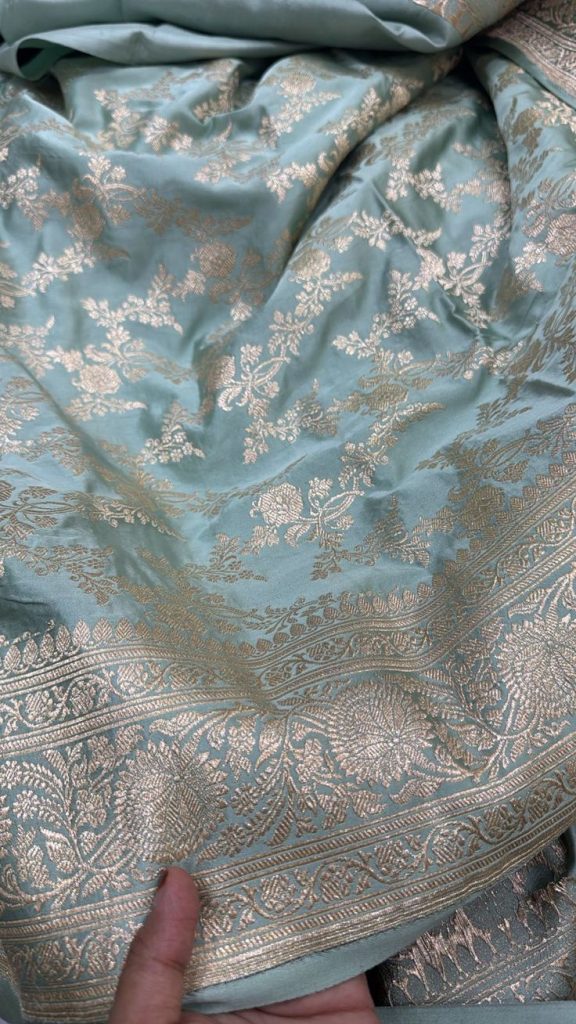
Costly Raw Material Silkworm Production :Thousands of silkworms are needed to produce one kilogram of silk, and this time-consuming and expensive procedure. Limited Supply: Because silkworms are climate-sensitive, droughts, floods, or pests can lower the supply of silk, which would raise costs even if demand remained constant. Labor-Intensive Weaving Handloom Craftsmanship: Each silk saree is meticulously handwoven by skilled artisans, a process that might take weeks or even months in contrast to mass-produced textiles. Skilled Labor: The final cost is mostly determined by the time and skill that artisans engage in this procedure, which calls for extremely specialized knowledge and skills. High-Quality Materials  Pure Silk: The cost of the saree increases when pure, premium silk, such as Mulberry silk, is used. Genuine Zari: Pure gold or silver zari threads are used in many pricey sarees, which adds significantly to the cost. Cultural & Brand Factors Heritage and Exclusivity: Silk sarees are distinctive, uncommon, and priceless antiques because they frequently carry a rich cultural heritage and centuries of tradition. Brand Reputation: Because of their reputation for excellence and craftsmanship, well-known companies frequently charge more, which raises the cost. Seasonal Demand: Due to increased demand, prices may rise during wedding and festival seasons. New, limited-edition collections may also fetch higher costs.

why silk sarees are costly Read More »

DIGITAL PRINTED PROCESS STEP BY STEP

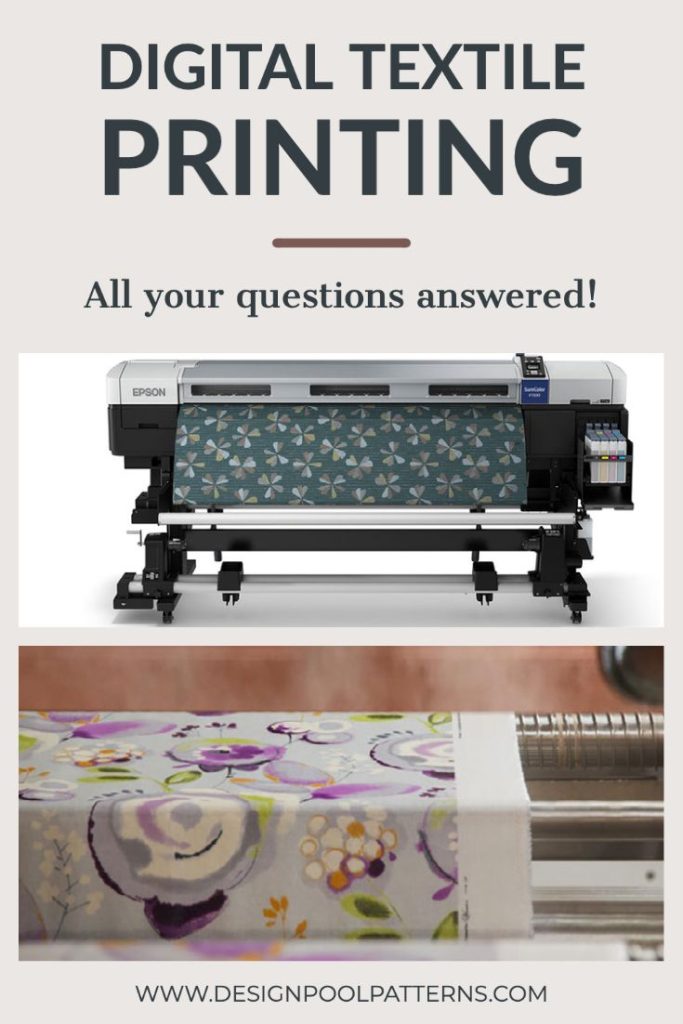
A high resolution digital image is created or prepared at the start of the digital printing process, and the printed output is finished at the conclusion. Depending on the substrate material (paper, cloth, or plastic) and printer type (inkjet or laser), the precise procedures may change. The general digital printing workflow 1. Prepress and design Create or upload a design: A digital file produced by a designer or supplied by a client initiates the process. Get the file ready: To guarantee that the image will be faithfully represented on the finished print, this entails cropping the picture, correcting any digital flaws, and fixing the colours. Save in a print-ready format: To prevent quality loss, the file is saved in a high-resolution format, often at 300 dots per inch (dpi). Usually, it is changed to the CMYK colour model, which is the printing industry standard. 2. Printing 3. Post-press and finishing Cure the print: In order to permanently establish the colours in some materials and inks, such as those used in textile printing, the print needs to be cured. Usually, steam or heat are used for this. Execute quality control by checking the final product for errors and making any required corrections. When placing large orders, this step is very crucial. Complete the product: The printed material may go through extra finishing steps including cutting, folding, laminating, or binding, depending on the task. Specific steps for digital textile printing To guarantee that the colours stick properly, there are a few more stages involved in printing on fabric: 1.Fabric preparation: To improve adherence and stop the ink from spreading, the fabric is frequently pre-treated with chemicals.2.Printing: Specialized inks are used to print the design onto the ready-made fabric.3.Fixation: The dyes are permanently bonded to the cloth fibers by heating or steaming the printed fabric.4.Washing: Before the fabric is dried and packed, it is cleaned to get rid of any extra ink and chemicals.

DIGITAL PRINTED PROCESS STEP BY STEP Read More »

Printed sarees Benefits

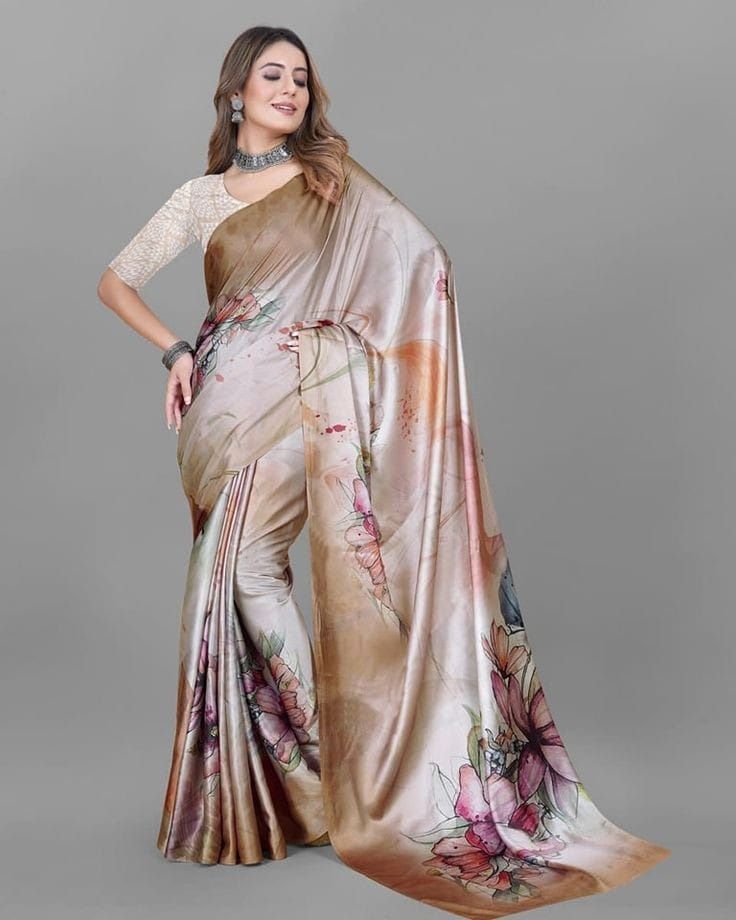
Because they are lightweight, printed sarees are comfortable, affordable, and easy to maintain, making them perfect for both novices and everyday wear. Through a variety of motifs and patterns, they offer countless stylistic alternatives that can fit any event or taste, from festive to casual. Wearers can show who they are and include new styles into their ethnic wardrobes by wearing printed sarees, which also symbolise a fusion of tradition and modernity. Practical Benefits Cost-Effective: Compared to their highly embroidered or adorned cousins, printed sarees are typically less expensive, enabling more stylistic experimentation without a significant financial commitment. Low Maintenance: They need less specialized care and are easy to maintain; they can frequently be washed by hand or run on moderate machine cycles. Comfortable & Lightweight: Even in heated regions, the lightweight materials used to make printed sarees allow for comfort and breathability throughout the day. Easy to Drape: Because they are lightweight, they are easy to handle and drape, which is especially helpful for novices or people who must wear sarees for extended periods of time, such working professionals. Affordability and variety Budget-friendly option: Compared to highly adorned options, printed sarees provide a fashionable and sophisticated option at a lower cost.This makes it possible to buy several sarees for various styles without going over budget. Vast variety: From classic floral and paisley prints to modern geometric and abstract designs, the employment of both conventional and modern printing techniques yields an infinite number of patterns. For instance, Beatitude sells printed silk sarees with distinctive hand-block patterns and designs. Inclusive fashion: Women of different ages and tastes can afford and find printed sarees appealing due to the large selection of styles and pricing points. Examples of printed sarees Digital prints: Digitally printed sarees with high-resolution patterns and vivid colours are available from Ojasi in silk and georgette materials. Hand-block prints: Cotton fabric frequently features traditional hand-block printing techniques, such as the Bagru and Sanganeri styles, which produce elaborate and culturally significant motifs. Floral prints: Floral printed sarees, which are a timeless and classic style, are offered by companies such as Aza Fashions and reflect the essence of nature through exquisite patterns. Leheriya prints: Pre-draped organza sarees with traditional Leheriya patterns—which are renowned for their wave-like design—are available from Aachho.

Printed sarees Benefits Read More »

How Silk Sarees Are Made

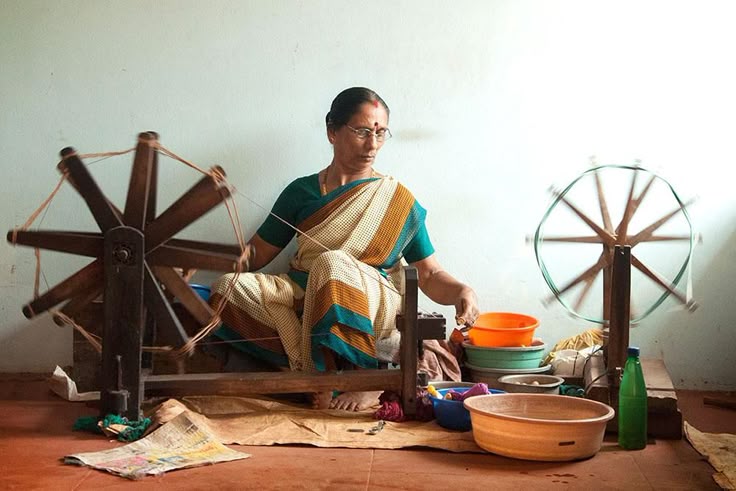
Silkworms are made on mulberry leaves to create cocoons, which are then gathered and boiled to kill the larvae and release the silk thread, which is then reeled and spun into yarn. This technique is one of several steps used to make silk sarees. After the yarn has been dyed, the fabric is created by expert craftspeople interlacing the coloured warp (horizontal) and weft (vertical) threads on a loom. For complex designs, a Jacquard loom is frequently used. To create the final saree, the woven fabric must then go through finishing procedures like washing, ironing, and quality inspections. 1. Sericulture and Cocoon Harvesting Silkworm Rearing: To get silkworms to spin cocoons, the process starts with raising them, mostly on mulberry leaves. Harvesting and Boiling: After the cocoons are spun, the larvae within are killed by boiling them, which stops them from escaping and shattering the silk thread. 2. Silk Thread Production:- Reeling: The boiling cocoons are delicately opened to reveal the fine silk filament. Spinning: To produce a stronger, more useable silk yarn, the removed silk filaments are subsequently spun together. 3.Dyeing:- To get the spun silk yarn ready for weaving, it is coloured in a variety of hues, frequently with synthetic or natural dyes. 4. Weaving :- Warping: The warp, or longitudinal threads, are created by arranging the dyed silk threads on a loom.Interlacing: To create the fabric, skilled craftspeople next interlace the warp and weft (horizontal) threads on the loom.Complex Patterns: To produce elaborate patterns and motifs in the fabric, sophisticated looms—like Jacquard looms—are utilised. Brocading: Often with metallic threads, brocading is a technique that creates elevated patterns by adding extra weft threads (Zari). 5. Finishing and Quality Control:- Trimming and Polishing: The saree is polished to add gloss and trimmed to get rid of any loose threads after weaving.Washing and Stiffening: To give the saree firmness, it can be cleaned in cold water and treated with a starch and water solution. Inspection: Every saree is carefully examined for flaws in the design, weave, or dye. Adding Embellishments: To improve the design, add details like hand painting, sequin embellishments, or Zari stitching. Quality control: The completed saree is carefully examined to look for any defects in the design or weave. Folding and packaging: Lastly, the saree is wrapped, ready for sale, and meticulously folded in a traditional fashion.

How Silk Sarees Are Made Read More »

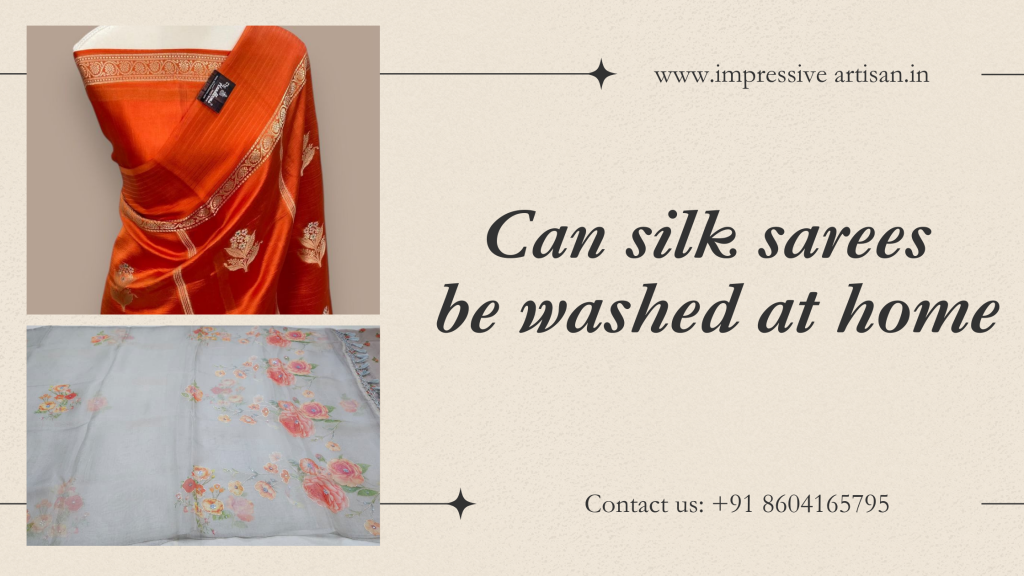
Can silk sarees be washed at home

yes it is possible to wash silk sarees at home, but it requires great caution. Silk is typically too abrasive for washing machines, so hand cleaning is advised. To avoid damage, use mild detergent, cold water, and gentle handling. This is a detailed tutorial on how to wash silk sarees at home: Get ready: Add a moderate liquid detergent made for sensitive materials to a basin or tub filled with cold water.Soak: For several minutes, gently immerse the saree in the water and swish it around.Wash: To prevent harming the delicate fibres, do not rub, scrub, or twist the saree.Rinse: Use cold water to completely rinse the saree until no detergent residue remains.Dry: Avoid wringing the saree out. To absorb extra water, place it flat on a fresh, dry towel and gently wrap it up.Dry (again): To dry, hang the saree out of direct sunlight.Ironing: If required, place a towel between the iron and the saree and iron it on a low setting.Storage: To allow the saree to breathe, keep it in a cool, dry location, ideally wrapped in a muslin towel.First wash: Do not use soap for the first two washes of a brand-new saree.Stains: Use a clean, moist cloth and a mild detergent to try spot cleaning stains.Special advice: Steer clear of wringing, machine washing, and sun drying silk sarees.Extra advice: To avoid colour bleeding, wash new sarees for the first time in salt water. Silk sarees can also be cleaned with soap nuts or a moderate protein shampoo.To help preserve lustre, rinse with a solution of white vinegar and water.It’s usually preferable to get advice from a professional dry cleaner if you’re not sure how to wash a certain silk saree at home.Prior to washing Examine the label for care instructions. If the label reads “Dry Clean Only,” don’t try to wash it yourself.Check for colorfastness. Wetness can cause some silk dyes to bleed. Dab a concealed seam with a cotton swab dipped in a mild soap and water solution. It is necessary to dry clean the saree if any colour stains the swab.Cleaning a silk saree by handHand-washing is the gentlest and safest approach for most washable silk sarees.Prepare by adding cold water to a sanitised bucket or tub. The fragile silk fibres can be harmed by hot water.Add a gentle liquid detergent designed especially for delicates that has a pH of zero. Baby shampoo is a well-liked and mild substitute. To keep the silk’s sheen, mix 1/4 cup white vinegar into the rinse water.Crucial avoidances for silk sareesAvoid using fabric softener, bleach, or strong detergents. These may detract from the silk’s inherent shine.Avoid using a drying machine. The delicate fibres may shrink and be harmed by the intense heat.Avoid putting deodorant or perfume on your skin immediately. These substances may leave stains that linger.Avoid hanging in the sun. The colours will fade as a result.Drying: Avoid twisting or wringing the saree to get rid of the water. The cloth may get harmed by this.The saree should be laid flat on a fresh, dry cloth. To absorb the extra moisture, roll the towel up with the saree inside and gently press.Lay the saree flat on a clean towel to air-dry, or unroll it and hang it on a clothesline. To prevent the colour from fading, keep it out of direct sunlight and in a shaded spot.Ironing: While the saree is still a little wet, iron it.Make use of the “silk” setting or the lowest heat setting on your iron.To shield the fabric and avoid shine markings, use a small cotton cloth between the saree and the iron.

Can silk sarees be washed at home Read More »

what sarees are in trend now

Sarees have long had a special place in Indian fashion, fusing centuries of tradition with the energy of modern design. Whether for a casual day out, boardrooms, brunches, or weddings, the saree remains a popular fashion choice as 2025 progresses. Every drape is now a declaration of individual craftsmanship and taste, embracing both the historical origins and the modernity of innovation. The New Wave: Contemporary Designs for Sarees. Sarees this season are all about experimenting and expressing oneself, not only about traditional themes. The focus is being stolen by contemporary designs with geometric patterns, digital prints, and simple accents. These sarees appeal to young professionals, urban fashionistas, and everyone else seeking stylish elegance because of their abstract, artistic prints that seem like they belong in a gallery, as well as their clean stripes and sleek monochromes. Particularly popular are digital designs, which offer vivid colours and daring themes ideal for eccentric office wear or a chic party night. The saree revival of 2025 is centred on prints. Cotton with simple designs, such as abstract lines and delicate flowers, is ideal for a breezy, light daytime ensemble. Vibrant and pastel blooms provide a pop of colour to festive attire. Polka dots are making a delightful comeback; they’re now worn with contrasting blouses and in vibrant colours for a throwback yet modern look. Global influences can be seen in geometric patterns, abstract motifs, and digital artwork, which guarantees that sarees are not only traditional but also contemporary and cosmopolitan. These prints turn sarees into wearable paintings, and each one tells a different tale.The Handloom Revival: Combining Modern Life with Artisanal TraditionHandloom sarees are experiencing a stunning comeback. With their lush silk and metallic embroidery, Banarasi sarees are still a beautiful option, especially when paired with modern blouse designs and accessories. For individuals who value slow fashion and traditional workmanship, lightweight, artisanal weaves from Bengal, Kerala, and South India are praised for their genuine, sustainable textures. Fusion sarees are popular right now; consider Banarasi borders with Kerala cotton or Kanjeevaram designs on georgette. These distinctive mixes respect history while creatively catering to Gen Z and Millennial preferences. The abundance of daring new blouse designs and inventive draping is a major factor in revitalising saree fashions. Designers are pushing the envelope with everything from asymmetrical, high-neck, and extended-sleeve patterns to off-shoulder and corset blouses. Statement blouses, which are perfect for people who want their six yards to speak for itself, frequently incorporate sequins, sheer fabrics, or unusual cuts to make sarees stand out. Draping techniques have also changed, giving long-standing customs a modern twist with the widespread use of belt accents, cape drapes, and pant-style saree folds. Casual & Workwear: Choose sarees made of light cotton and linen with geometric patterns or subdued prints. For subtle elegance, team with classic accessories and minimal makeup.Party & Evening Wear: Metallic, satin, or tissue sarees look stunning, especially when paired with ruffled or sequinned borders. For an instant glamorous look, accessorise with bold jewellery. Festive & Bridal: To make a statement on your special day, go for handloom Banarasi, vibrant floral designs, silks with jewel tones or crimson, and try out fusion styles. The saree trends of 2025 are more than just fashion and cosiness. Natural dyes, handwoven textiles, and environmentally friendly methods are becoming more and more popular, indicating a strong trend towards sustainable alternatives. Influencers and designers support individuality by combining vintage items with trendy blouses or updating traditional draperies with contemporary accents.As of 2025, the saree is more than just a garment; it’s a platform for individuality, ingenuity, and conscientious style. Every wearer can customise their style to fit their mood, occasion, and personality by choosing eco-friendly handloom, colourful Banarasi, whimsical digital prints, or sheer organza. Therefore, this season offers a wealth of possibilities to explore, regardless of whether you are an experienced saree fan or a novice to this ageless wonder. As with every Impressive Artisan, embrace innovation, honour tradition, and allow each drape to tell a remarkable tale.

what sarees are in trend now Read More »

Shopping Cart