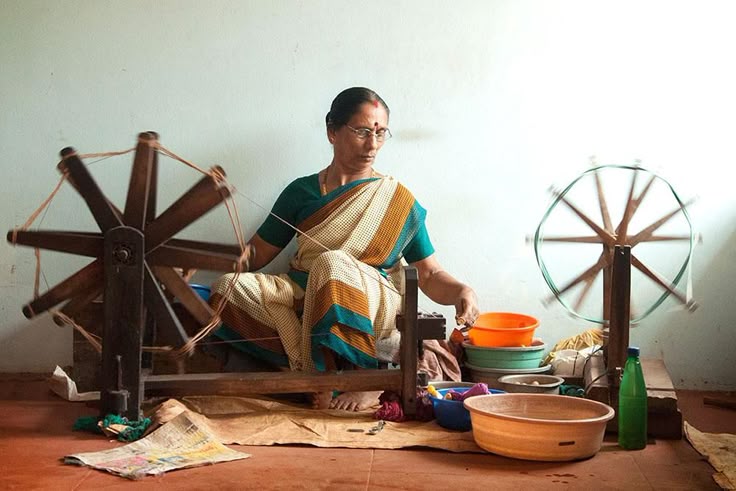
Silkworms are made on mulberry leaves to create cocoons, which are then gathered and boiled to kill the larvae and release the silk thread, which is then reeled and spun into yarn. This technique is one of several steps used to make silk sarees. After the yarn has been dyed, the fabric is created by expert craftspeople interlacing the coloured warp (horizontal) and weft (vertical) threads on a loom. For complex designs, a Jacquard loom is frequently used. To create the final saree, the woven fabric must then go through finishing procedures like washing, ironing, and quality inspections.
1. Sericulture and Cocoon Harvesting
Silkworm Rearing: To get silkworms to spin cocoons, the process starts with raising them, mostly on mulberry leaves.
Harvesting and Boiling: After the cocoons are spun, the larvae within are killed by boiling them, which stops them from escaping and shattering the silk thread.
2. Silk Thread Production:-
Reeling: The boiling cocoons are delicately opened to reveal the fine silk filament.
Spinning: To produce a stronger, more useable silk yarn, the removed silk filaments are subsequently spun together.
3.Dyeing:-
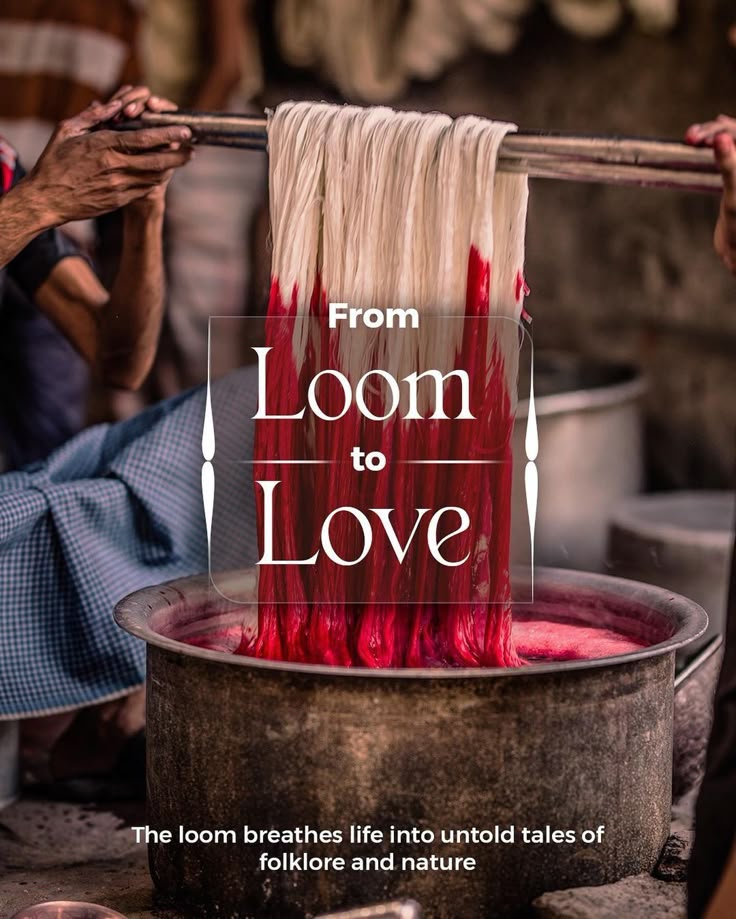
To get the spun silk yarn ready for weaving, it is coloured in a variety of hues, frequently with synthetic or natural dyes.
4. Weaving :-
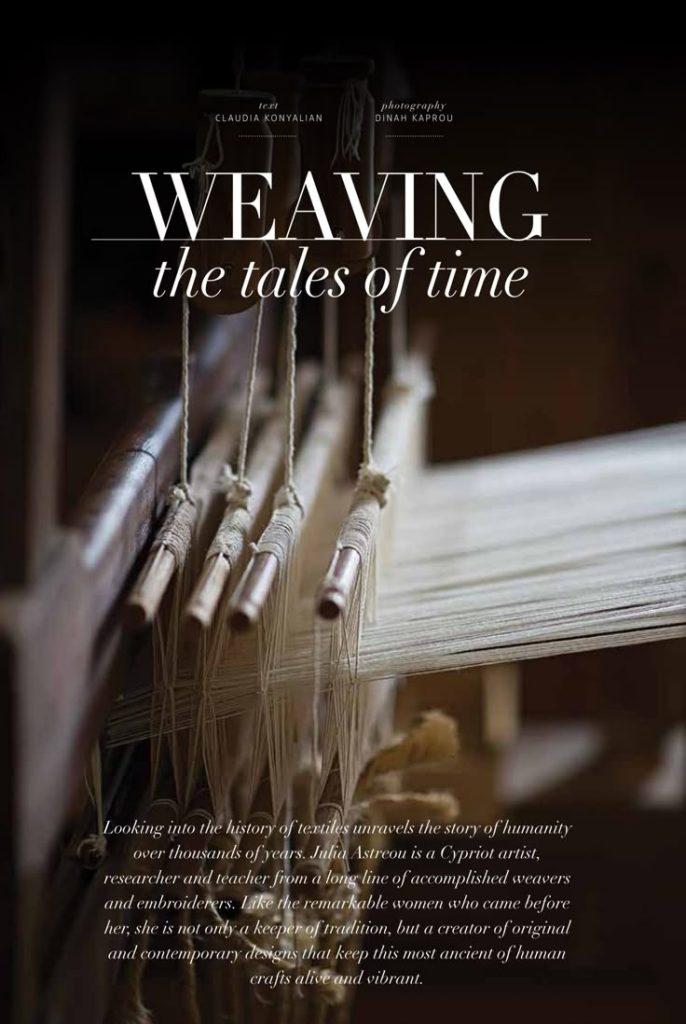
Warping: The warp, or longitudinal threads, are created by arranging the dyed silk threads on a loom.
Interlacing: To create the fabric, skilled craftspeople next interlace the warp and weft (horizontal) threads on the loom.
Complex Patterns: To produce elaborate patterns and motifs in the fabric, sophisticated looms—like Jacquard looms—are utilised.
Brocading: Often with metallic threads, brocading is a technique that creates elevated patterns by adding extra weft threads (Zari).
5. Finishing and Quality Control:-
Trimming and Polishing: The saree is polished to add gloss and trimmed to get rid of any loose threads after weaving.
Washing and Stiffening: To give the saree firmness, it can be cleaned in cold water and treated with a starch and water solution.
Inspection: Every saree is carefully examined for flaws in the design, weave, or dye.
Adding Embellishments: To improve the design, add details like hand painting, sequin embellishments, or Zari stitching.
Quality control: The completed saree is carefully examined to look for any defects in the design or weave.
Folding and packaging: Lastly, the saree is wrapped, ready for sale, and meticulously folded in a traditional fashion.